| Home |
|
 |
||
 |
Learn about the instruments we play!
Verlene's Instruments Violin/Fiddle, Nyckelharpa, Mandolin, Acoustic Guitar, Celtic Harp, Irish Tenor Banjo, Concertina Barbary's Instruments (under reconstruction!) Celtic Harp, Cello, Piano, Melodica, Ukulele, Banjolele, Button Accordion, Mountain Dulcimer |
 |
|
Violin/Fiddle
What's the difference
between a fiddle and a violin? I'm asked that a
lot! Well, mainly it's the music played on the
instrument, and the technique and bowing patterns.
There are some who set up a violin as a "fiddle'
by using a slightly flatter bridge, enabling them
to play two strings at once more easily, but for
the most part, you can use any violin to play
traditional music.
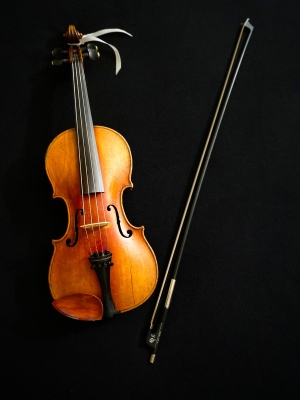
Verlene's
violin is a baroque model by Sebastian Klotz, and
has a higher arch than a modern fiddle, producing
a sweet, rich tone. She most often uses a wood bow
by Giuseppe Vitale, although in extreme weather,
she will use a carbon fiber bow by Coda (pictured
here.)
In larger venues, she uses a wireless pickup system by KNA that allows her to move away from the stage when inspired! |
 |
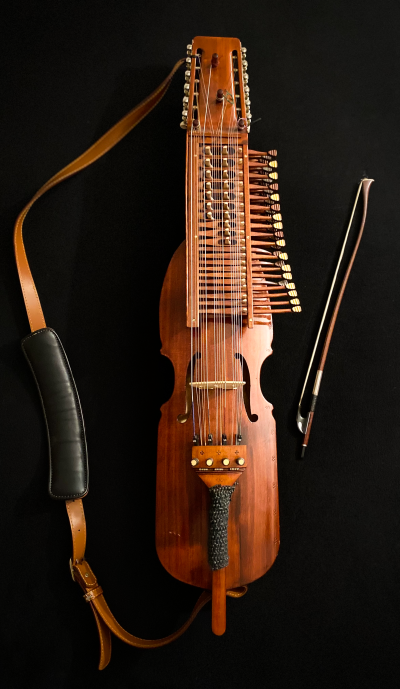 |
Swedish
Nyckelharpa
Nyckel
is the Swedish word for "key," and harpa is
a word used for any stringed instrument before
violins were used in Sweden. Like the hurdy-gurdy,
the instrument has keys, but instead of being played
with a wheel and a crank, the nyckelharpa is played
with a bow like a violin or fiddle. So, a
nyckelharpa is a "keyed fiddle."
The
nyckelharpa has several keys that are pushed in
individually, moving a wooden dowel called a
"tangent" to shorten the length of the string,
producing a higher pitch. Each key on the modern
nyckelharpa increases the pitch by one half step,
making it a fully chromatic instrument. There are
four bowed strings, with keys on the highest three.
From
the highest to the lowest pitch, the strings are
tuned to A (440), middle C, G, and the octave below
middle C. This low C is used as a drone or the
bottom note in a chord. In addition to the four
bowed strings, there are 12 chromatic strings that
are set lower in the bridge so that the bow can't
reach them. These are "resonant" strings that
vibrate sympathetically with each pitch.
The
nyckelharpa dates back to the 14th century, with a
stone carving of one on the gates of Källunge church
on Gotland, which is an island off the coast of
Sweden. The earlier nyckelharpa was not fully
chromatic and had fewer strings. The modern
nyckelharpa was developed by August Bohlin in the
early 1900s with improvements made by Eric
Sahlström.
Verlene's
nyckelharpa was made in Sweden by luthier, Martin
Westermark.
|
|
Mandolin
A
mandolin is like a fretted violin that you pluck and
strum instead of bow. The strings are tuned in
fifths, the same as a violin, and they are doubled,
so you have two Es, two As, two Ds, and two Gs.
A
characteristic sound is the tremolo which is a rapid
back and forth strumming pattern on individual
strings or on multiple strings.
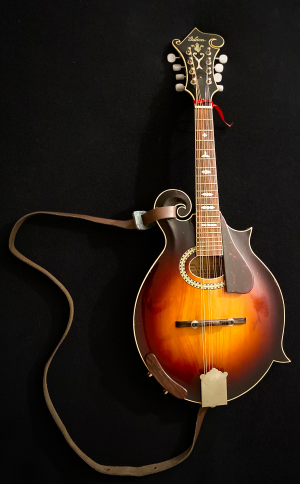
Verlene's
mandolin is a Gibson hybrid from 1939. It was likely
made during a transition between models. It has a
hole in the middle like a guitar rather than the F
holes like those on a violin.
|
 |
 |
Acoustic-Electric
Guitar
An
acoustic-electric guitar has a built in pickup for
amplification. It is otherwise the same as an
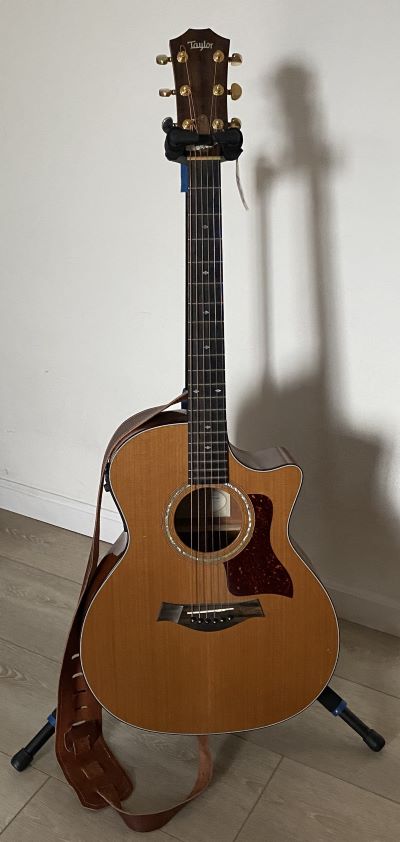
acoustic guitar. Verlene's guitar is a Taylor 514CE
acoustic electric guitar with a cutaway. She uses
standard guitar tuning, (EADGBE) and loves playing
finger style guitar as well as groovy rhythmic
strumming.
|
|
Celtic Harp
The
Celtic Harp has levers that change the pitch of
each string by one
half step. This is in contrast with the Orchestral
Harp, a.k.a. Pedal Harp, which uses pedals to
change the pitch of each string up or down one
half step. Celtic harps come in all sizes, from a
small harp that can be held in the lap to a large
harp (still smaller than the pedal harp) that sits
on the floor. The smaller the harp, the smaller
the range of notes. The lowest note on most floor
harps is the C two octaves below middle C. The
range is usually around 5 octaves.
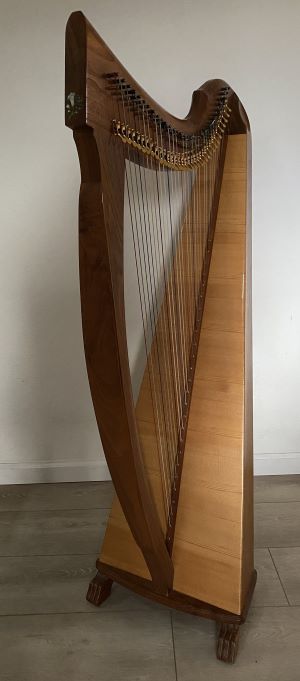
Verlene's
harp has 34 strings, and is two notes shy of 5
octaves. It is the original Celtic model by Triplett
Harps with a Dusty Strings pick-up system installed.
The Celtic model has been redesigned, so new ones
are called the Celtic II. The wood is walnut for the
body with a spruce soundboard.
|
 |
 |
Irish
Tenor Banjo
The
tenor banjo has 4 strings, unlike the bluegrass
banjo which has 5 strings. There are several ways to
tune a tenor banjo, with the most common being tuned
like a viola, which is the standard tuning for
traditional jazz. Guitarists will sometimes tune the
four strings like the top four strings of a guitar.
The
Irish tenor banjo is tuned an octave below the
violin, with the strings from high to low: E (just
above middle C) A D G
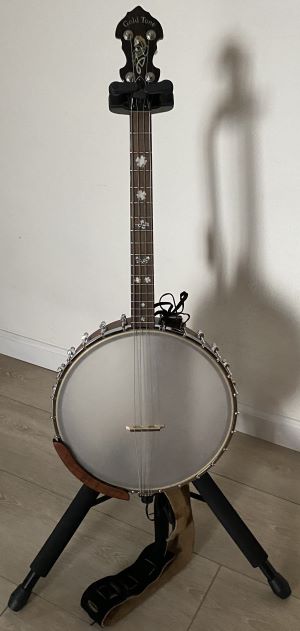
Verlene's
Irish tenor banjo is a Gold Tone by Deering.
|
|
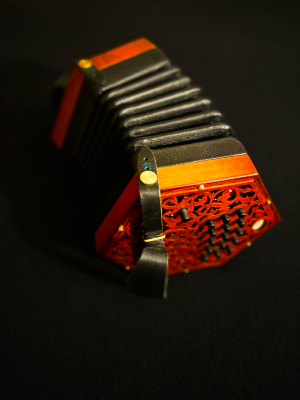
Concertina
A concertina is a small
button accordion that has a hexagon shape. For the
Anglo concertina, each button plays two different
notes, one on the "push" and one on the "pull." 20
key concertinas have two rows of 5 buttons on each
side, whereas 30 key concertinas have three rows
of 5 buttons per side.
The notes are arranged
so that the notes Do Mi So (the 1, 3, and 5 in the
major scale, which are also the three notes of the
tonic or "one" chord) are played when pushing but
the other notes in the scale are played when
pulling. For music theory geeks, that's the
dominant 9 chord!
The middle row plays
the notes in a C chord on the push and a G9 on the
pull. The inside row plays a G chord on the push
and a D9 on the pull. The outside row is
interesting -- it has a few duplicate notes from
the other two rows, but are on the pull instead of
push, or push instead of pull. The other buttons
are assigned to the other accidentals so that
playing in keys with more sharps or with Bb is
possible.
Verlene's concertina is
a Morse & Co. Céilí Anglo 30 key concertina.
|
 |
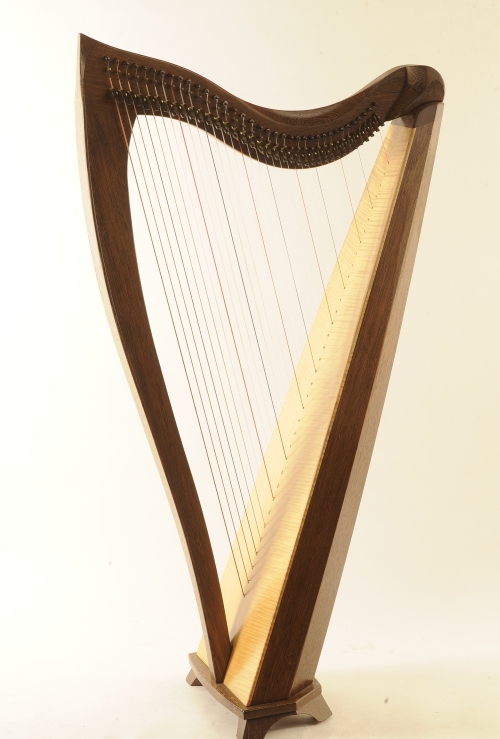 |
Celtic
Harp
The
Celtic Harp has levers that change the pitch of
each string by one
half step. This is in contrast with the Orchestral
Harp, a.k.a. Pedal Harp, which uses pedals to
change the pitch of each string up or down one
half step. Celtic harps come in all sizes, from a
small harp that can be held in the lap to a large
harp (still smaller than the pedal harp) that sits
on the floor. The smaller the harp, the smaller
the range of notes. The lowest note on most floor
harps is the C two octaves below middle C. The
range is usually around 5 octaves.
Barbary's
harp is a Dusty Strings FHS36 with a full 5
octaves from the second C below middle C. The
body, neck, and pillar is made from an exotic and
now endangered wood called wenge. The sound board
is spruce.
|
|
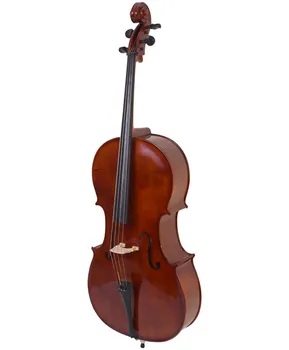
Cello
The
cello (violoncello) is a large, four-stringed
wooden instrument from the violin family, known
for its warm, rich, human-voice-like sound, played
upright while seated, supported by an endpin, and
producing notes by bowing or plucking its strings
(C, G, D, A). It's a versatile solo and ensemble
instrument in classical music, but also appears in
jazz, folk, and pop, featuring a distinctive
curved body, F-holes, and a bridge.
|
 |
 |
Piano and
Melodica
Barbary plays piano
where there is a piano available at the venue.
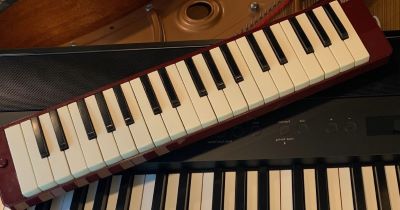
The
melodica is a handheld free-reed instrument
similar to a pump organ or harmonica. It
features a musical keyboard on top and is played
by blowing air through a mouthpiece that fits
into a hole in the side of the instrument. The
keyboard usually covers three octaves.
The
melodica was first used as a serious musical
instrument in the 1960s by composers such as
Steve Reich in his piece titled Melodica (1966).
Brazilian multi-instrumentalist Hermeto Pascoal
developed a technique consisting of singing
while playing the melodica, resulting in a wide
tonal and harmonic palette.
|
|
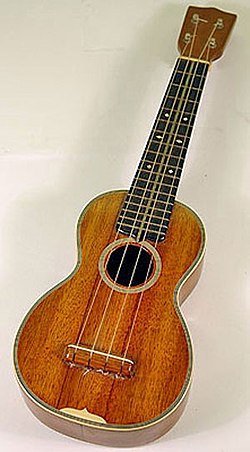
Ukulele
The ukulele is of
Portuguese origin, but became popular in Hawaii in
the 1880s. Today, there are ukulele gatherings
with sometimes over a hundred ukulele players in a
room playing together. The traditional tuning of
the ukulele has the melody people know as "my dog
has fleas," which starts with a G above middle C,
then down to middle C, up to E and up to A. Some
people tune the G string down an octave. This
tuning is the same a the highest four strings of a
guitar but up a fourth in pitch.
|
 |
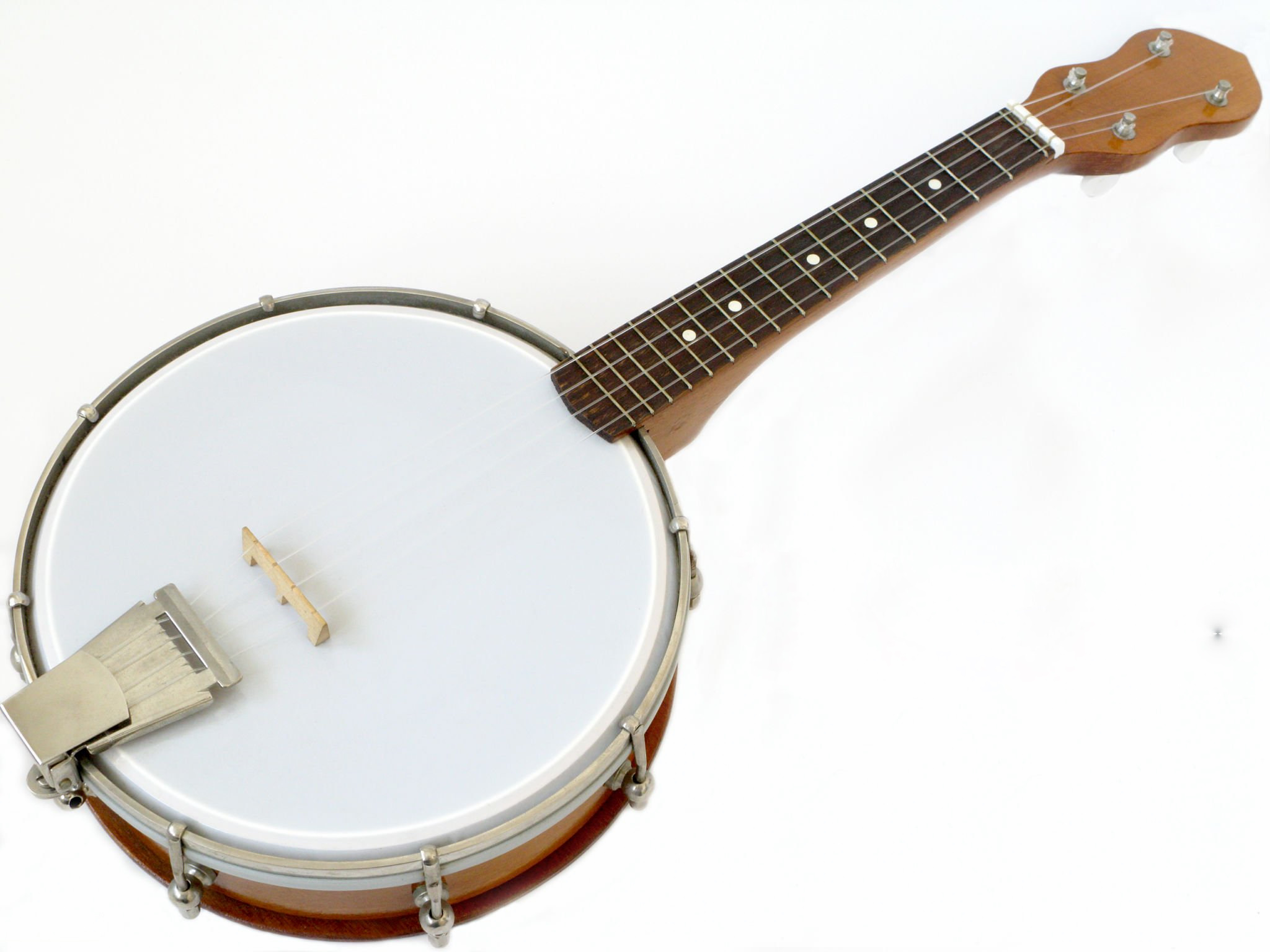 |
Banjolele The
Banjolele is also known as the banjo ukulele. It
is tuned like a ukulele, and has a banjo type body
instead of the wood body of a ukulele. It has a
tone more similar to a banjo, and is louder than a
ukulele. The earliest banjoleles were built in
1917, and they became popular in the 1920s and
1930s.
|
|
Bowed
Psaltery
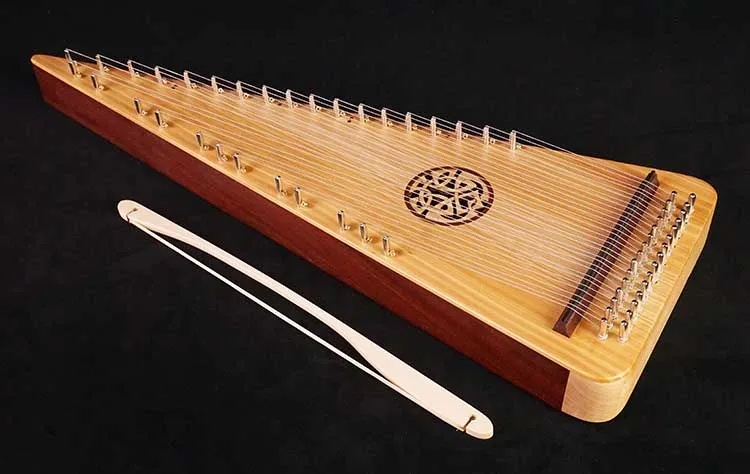
The bowed psaltery is a modern instrument with ancient roots. Plucked psalteries date back to the 11th century, and the bowed psaltery emerged in the 1940s. The strings are arranged so that the "white keys" which are the natural notes, are on the right hand side and the "black keys" which are the sharps and flats, are on the left side, so it is fully chromatic. The bow plays between the pins to access each note individually, so it is primarily a melody instrument. The range of a bowed psaltery is usually 2 and a half to 3 octaves, with the lowest pitch at middle C. |
 |
 |
Button
Accordion
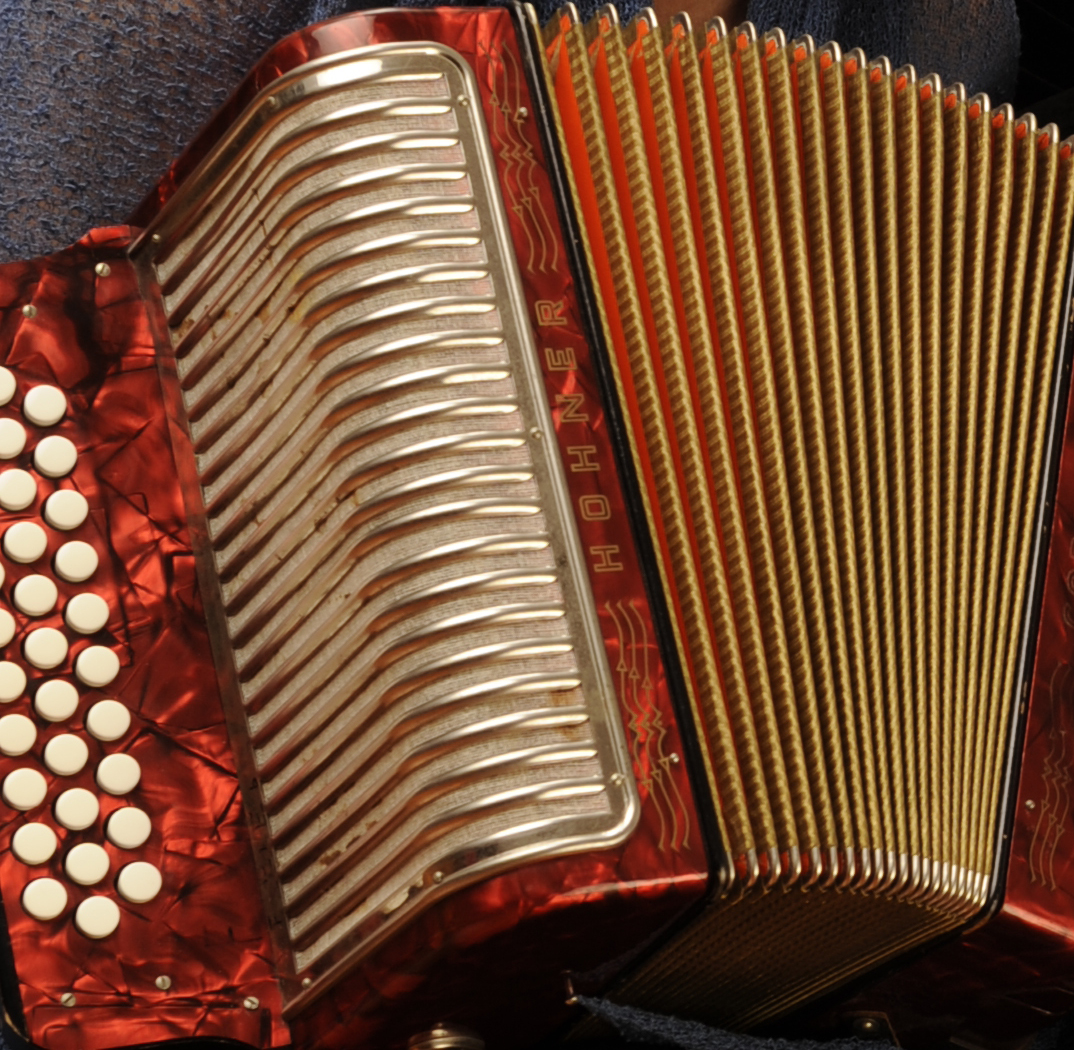
A button accordion
differs from the piano accordion in that it has
only buttons instead of piano keys. Although the
left hand side of the piano accordion uses buttons
for the bass, the button accordion has buttons on
both sides for both melody and bass. Each button
has free reeds made of tempered steel. When a
button is pressed, a valve is opened to allow air
to pass through the reeds to make a sound. The air
is pumped through the reeds by pushing or pulling
the bellows, and a different note is sounded on
the push than on the pull.
When Barbary's
grandfather, Haakon Hove, passed away, she was
gifted one of his three button accordions. The the
instrument defies all her previous musical
training, it is a vital link to her Norwegian
roots, and she set about learning to play it while
in the Scandinavian trio, Nykken, (with Verlene).
It is making a revival in Celtic Moon, as the
button accordion is a traditional Celtic
instrument as well!
|
|
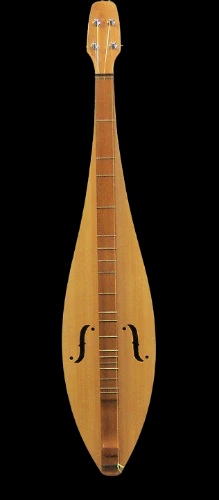
Mountain
Dulcimer
The mountain dulcimer is a
fretted, lap-held folk zither from the Appalachian
region, characterized by its hourglass or teardrop
wooden body, 3-4 strings, and a diatonic fret
board, played by strumming or plucking to create
gentle melodies and harmonies, distinct from its
hammered cousin. It's known for its simple,
accessible nature and unique sound, often using a
noter stick for melody notes against strummed
drone strings.
|
 |